This journey takes you through Korea's most significant cultural and natural landmarks, from the ancient capital of Gyeongju to the dramatic cliffs of Seoraksan. Experience the perfect blend of UNESCO World Heritage sites, mountain trekking, and vibrant city life.
Gyeongju: The Ancient Capital of Silla
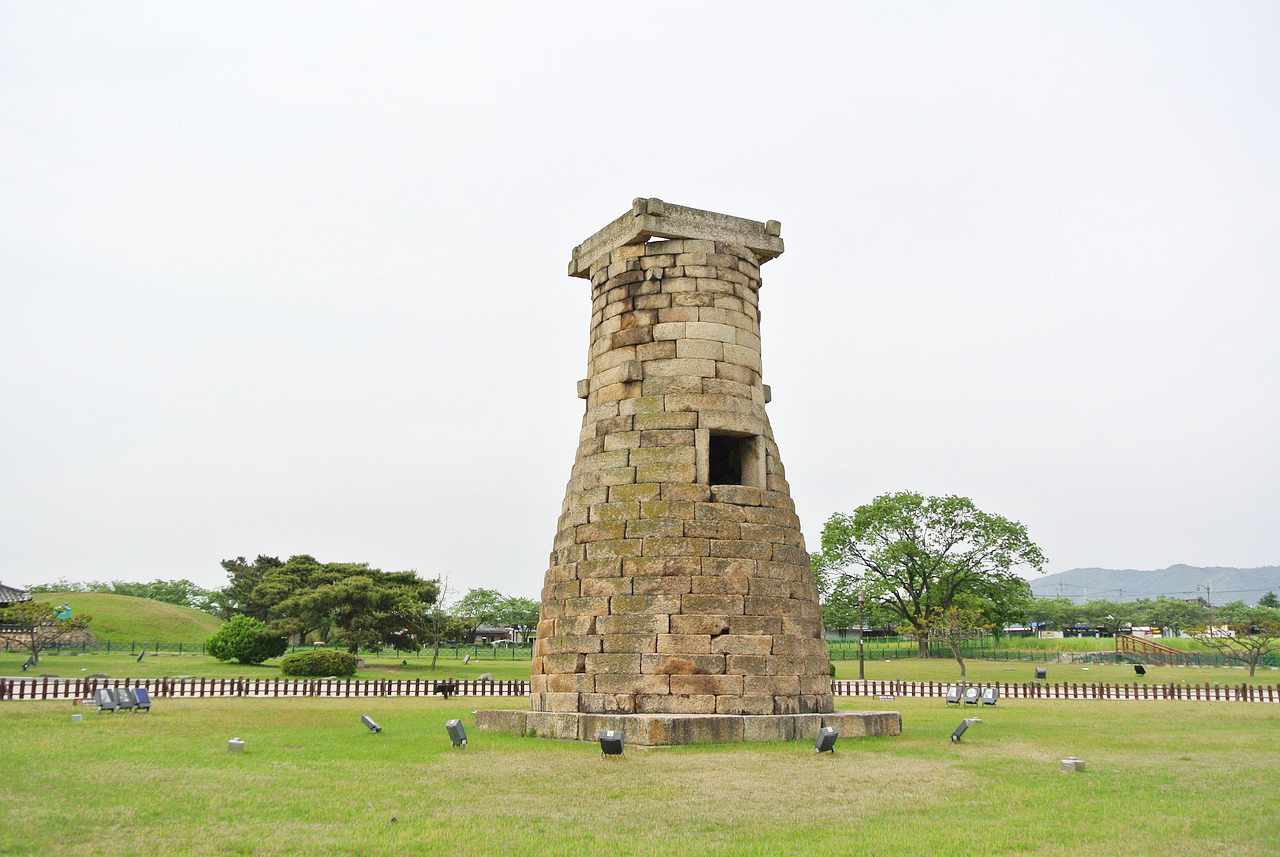
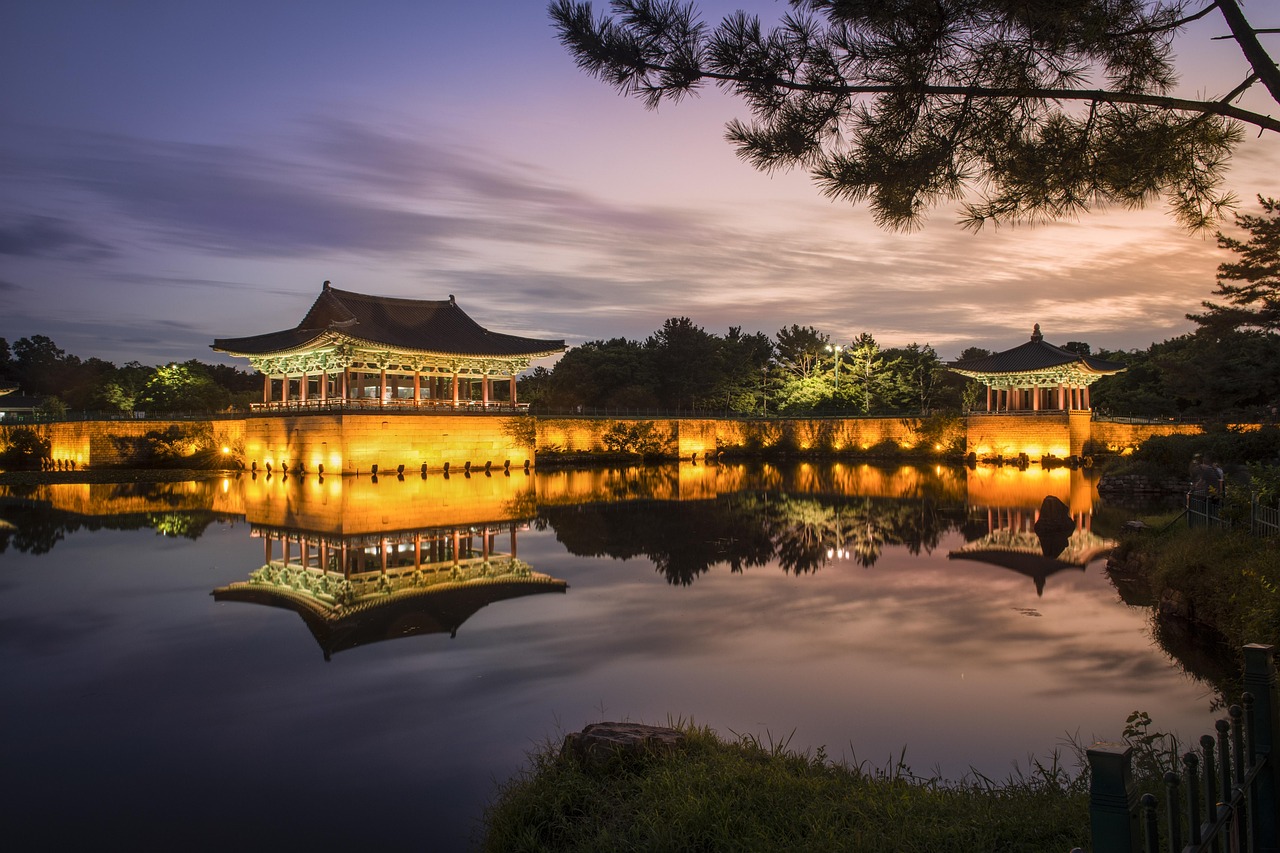
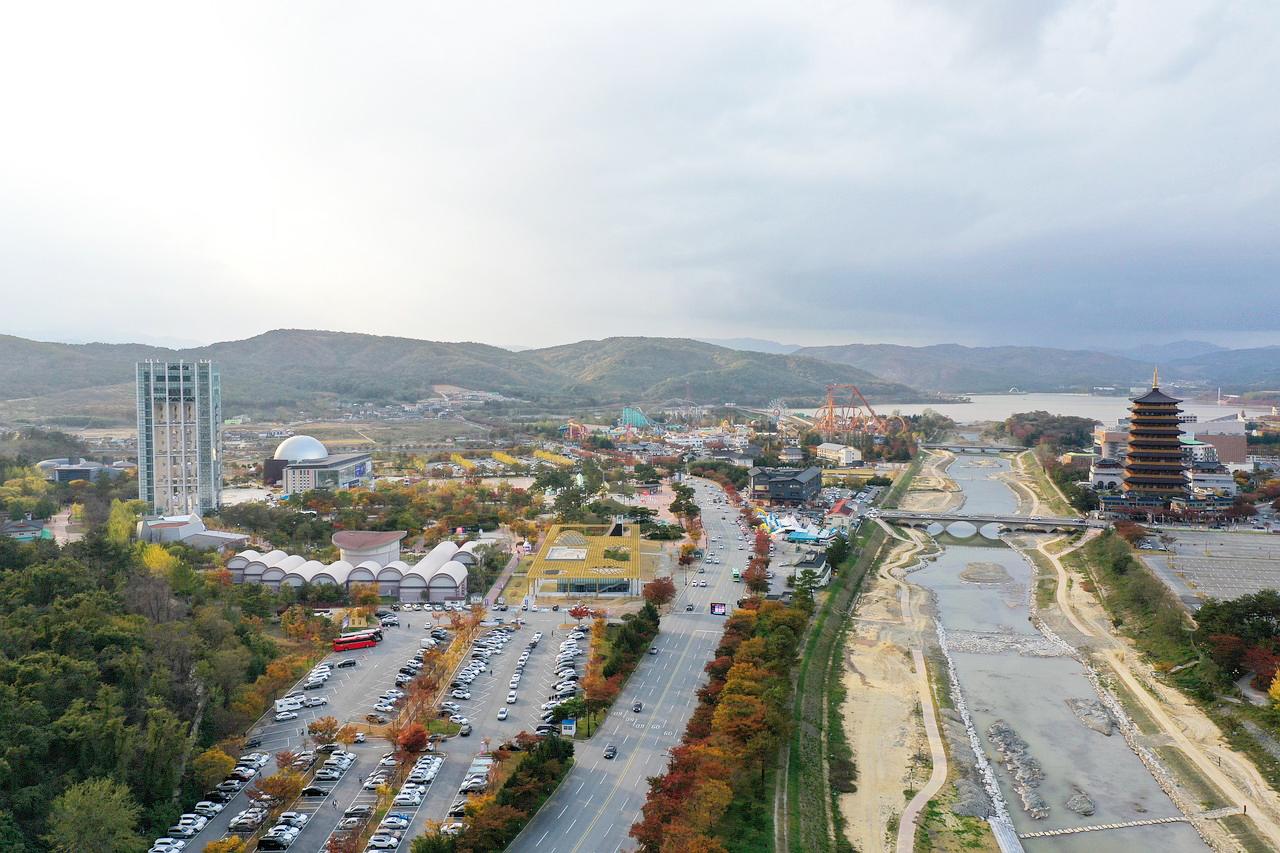
Gyeongju, once the capital of the ancient Silla Kingdom (57 BCE - 935 CE), is a UNESCO World Heritage site that preserves over 1,000 years of Korean history. The city is often called "the museum without walls" because of its countless historical treasures scattered throughout the landscape.
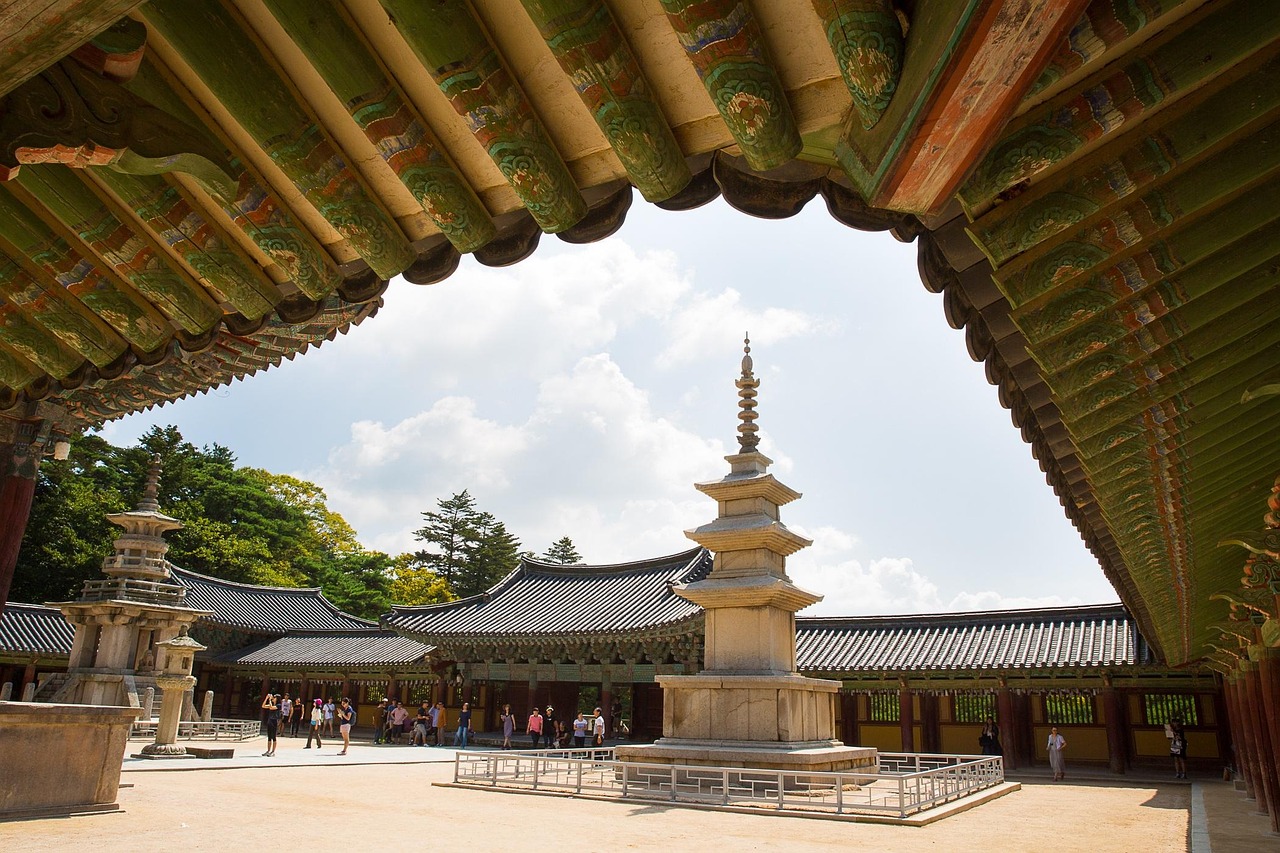
Key sites include Bulguksa Temple and Seokguram Grotto, both UNESCO World Heritage sites showcasing the pinnacle of Korean Buddhist art and architecture. The Gyeongju Historic Areas contain royal tombs, ancient observatories, and the ruins of the Silla palace, offering deep insight into Korea's golden age.
Haeinsa Temple: Preserving the Buddhist Canon
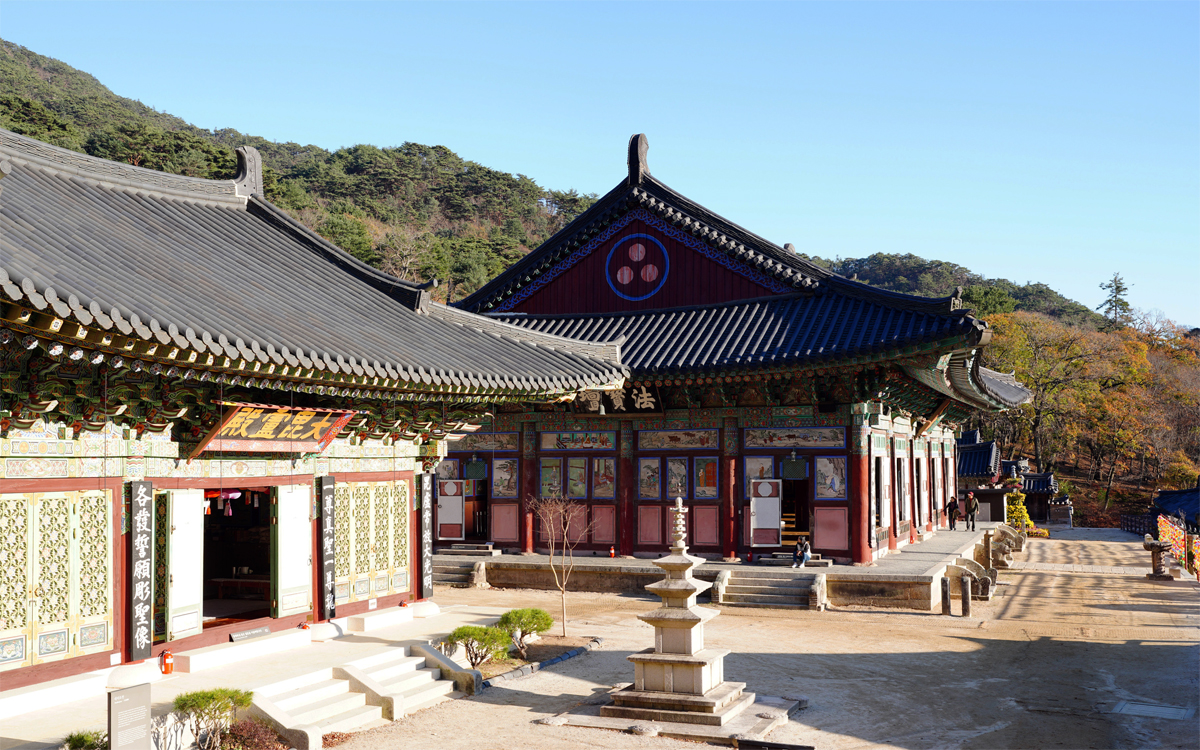
Haeinsa Temple, located in the mountains of Gyeongsangnam-do, is one of Korea's Three Jewel Temples and a UNESCO World Heritage site. The temple is most famous for housing the Tripitaka Koreana—80,000 wooden printing blocks containing the entire Buddhist canon, carved in the 13th century.
The Tripitaka Koreana is considered one of the most complete and accurate collections of Buddhist scriptures in the world. Temple stays at Haeinsa offer unique opportunities to learn about this incredible cultural treasure while experiencing authentic Buddhist monastic life in a stunning mountain setting.
Hahoe Village: Traditional Korean Architecture
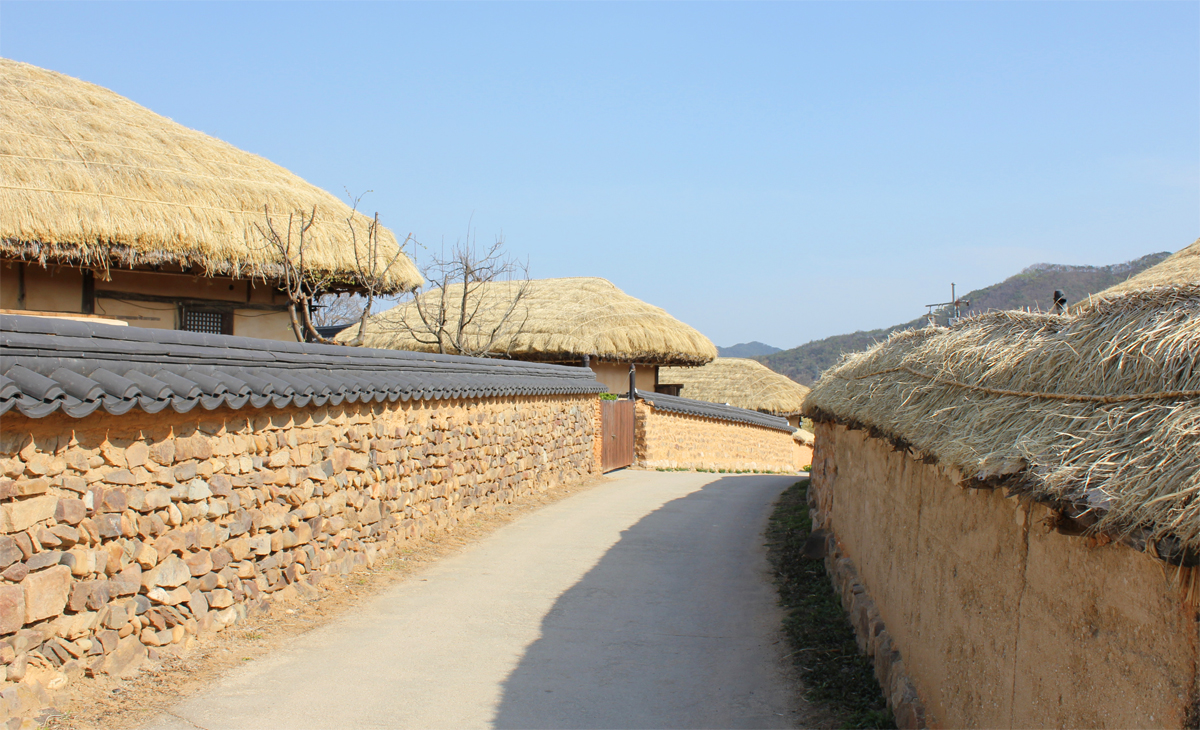
Hahoe Folk Village, a UNESCO World Heritage site, is one of Korea's most well-preserved traditional villages. The village showcases Joseon Dynasty (1392-1910) architecture and lifestyle, with over 230 traditional hanok houses, thatched-roof buildings, and ancient trees that have stood for centuries.
The village is uniquely situated in a horseshoe-shaped bend of the Nakdong River, creating a harmonious relationship between architecture and nature. Staying in a traditional hanok provides an authentic experience of Korean traditional living, complete with ondol (underfloor heating) and traditional Korean meals.
Seoraksan: Korea's Most Dramatic Peaks
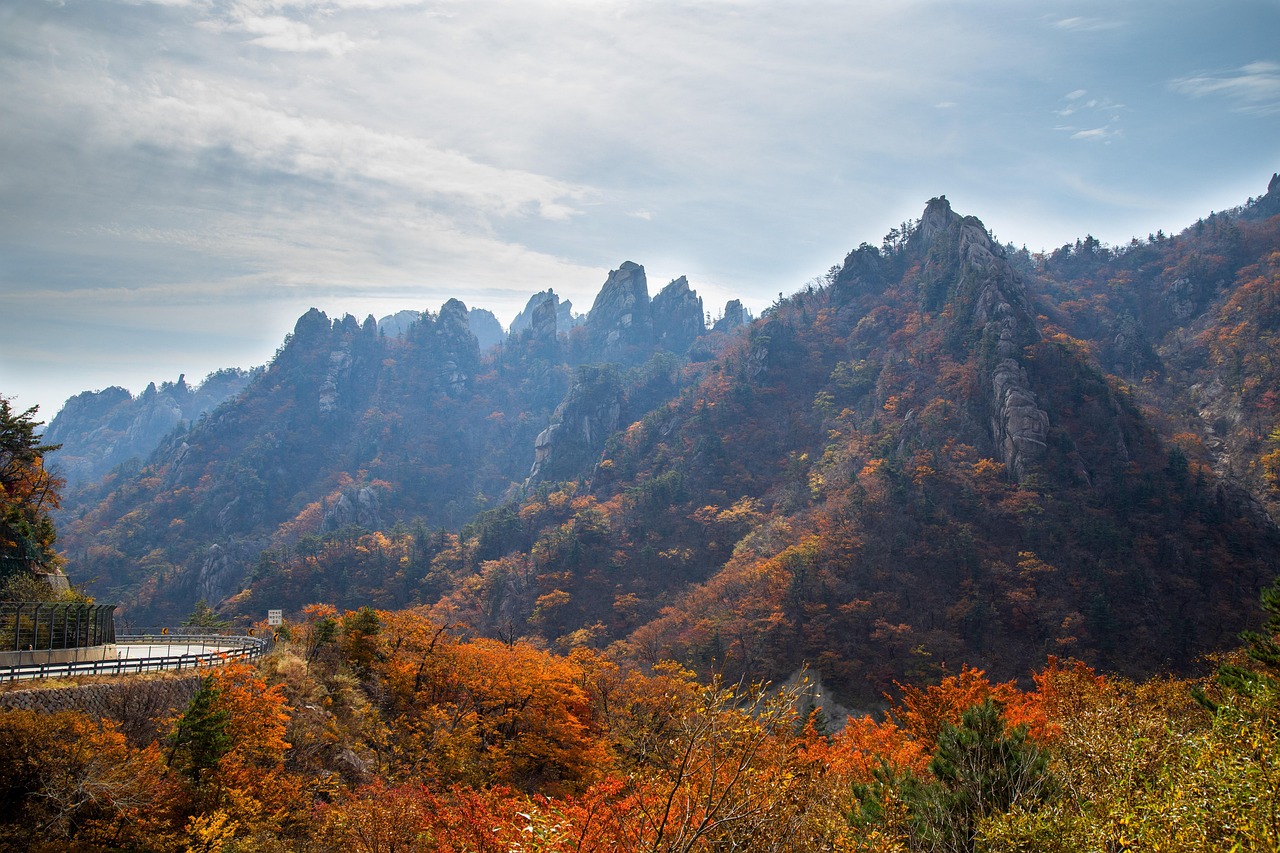
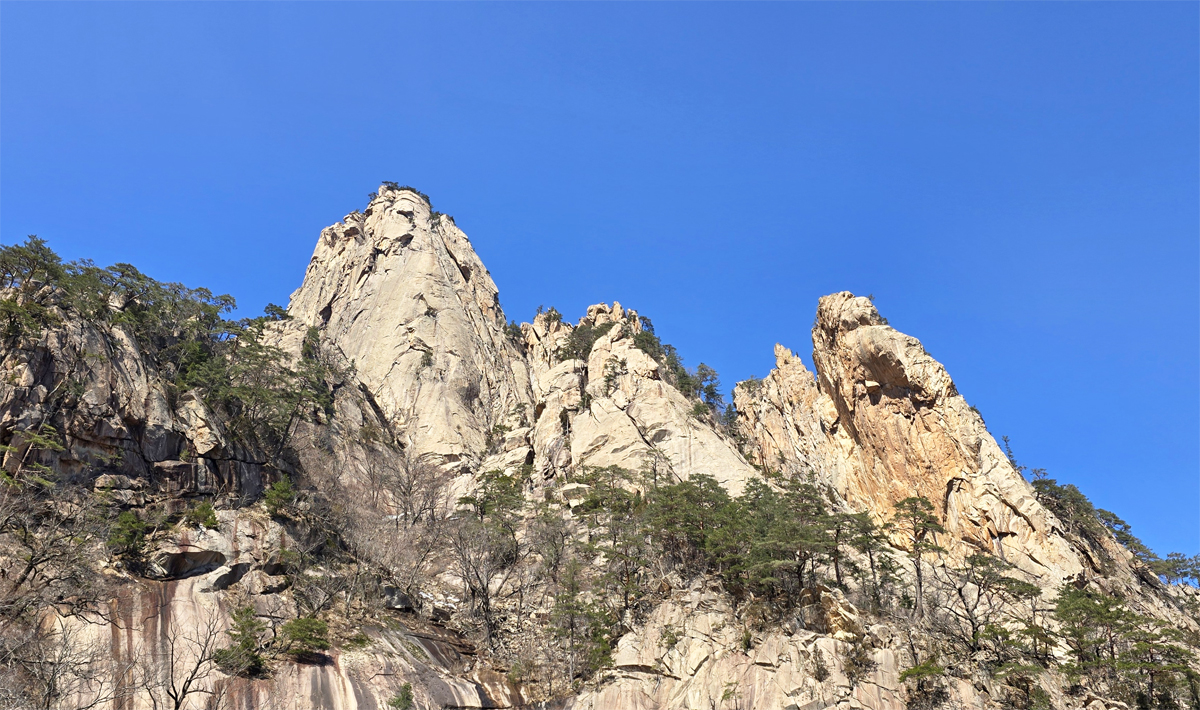
Seoraksan National Park features Korea's most dramatic mountain scenery, with jagged granite peaks, deep valleys, and spectacular waterfalls. The trek from Seoul to Seoraksan takes you through diverse landscapes, from urban areas to remote mountain trails, culminating in the legendary cliffs of Seoraksan.
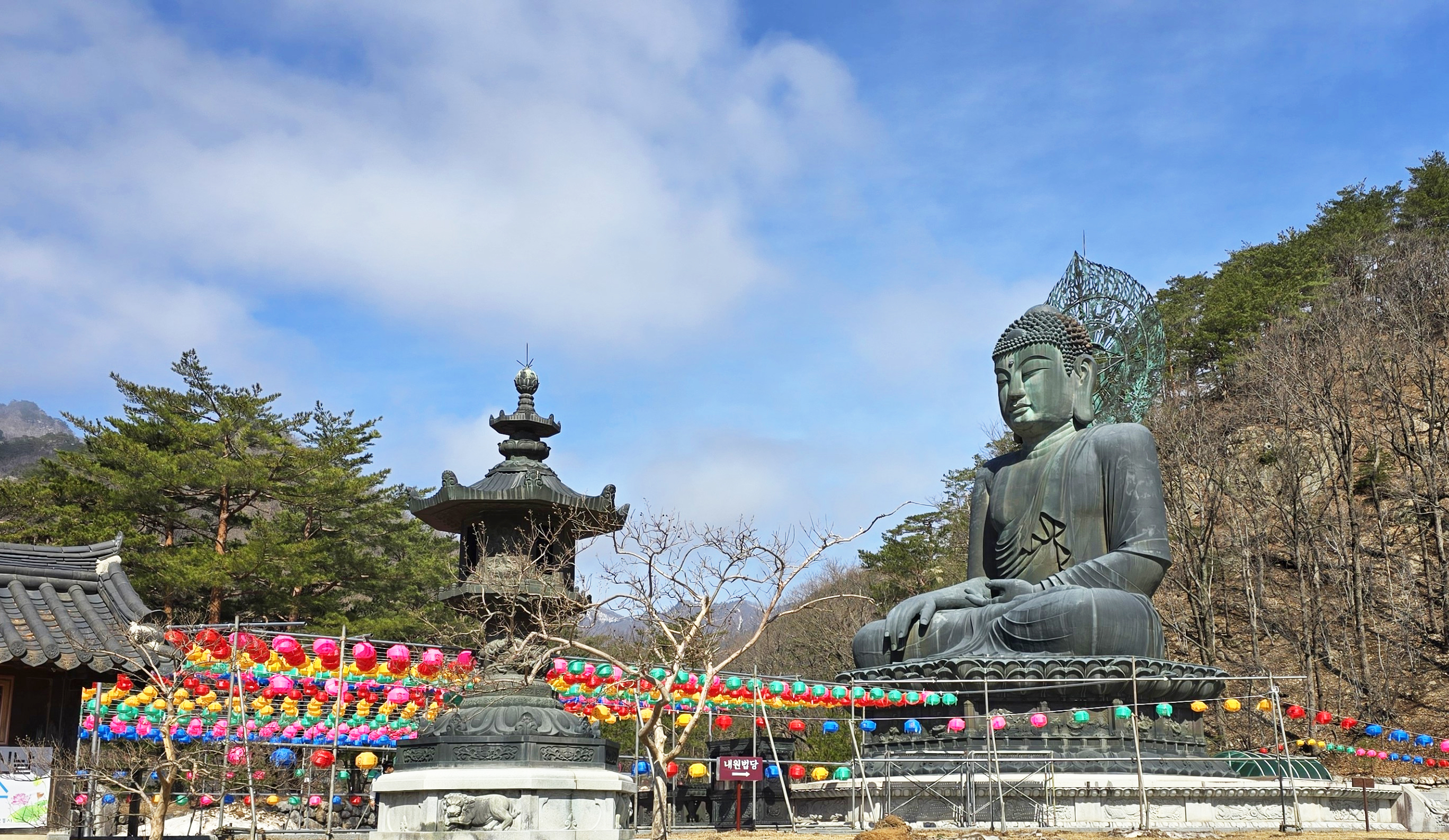
The park's highest peak, Daecheongbong (1,708m), offers challenging climbs and breathtaking views. The combination of dramatic natural scenery, ancient temples like Sinheungsa, and the park's rich biodiversity makes Seoraksan a highlight of any Korean mountain adventure.
Seoul: Where Ancient Meets Modern
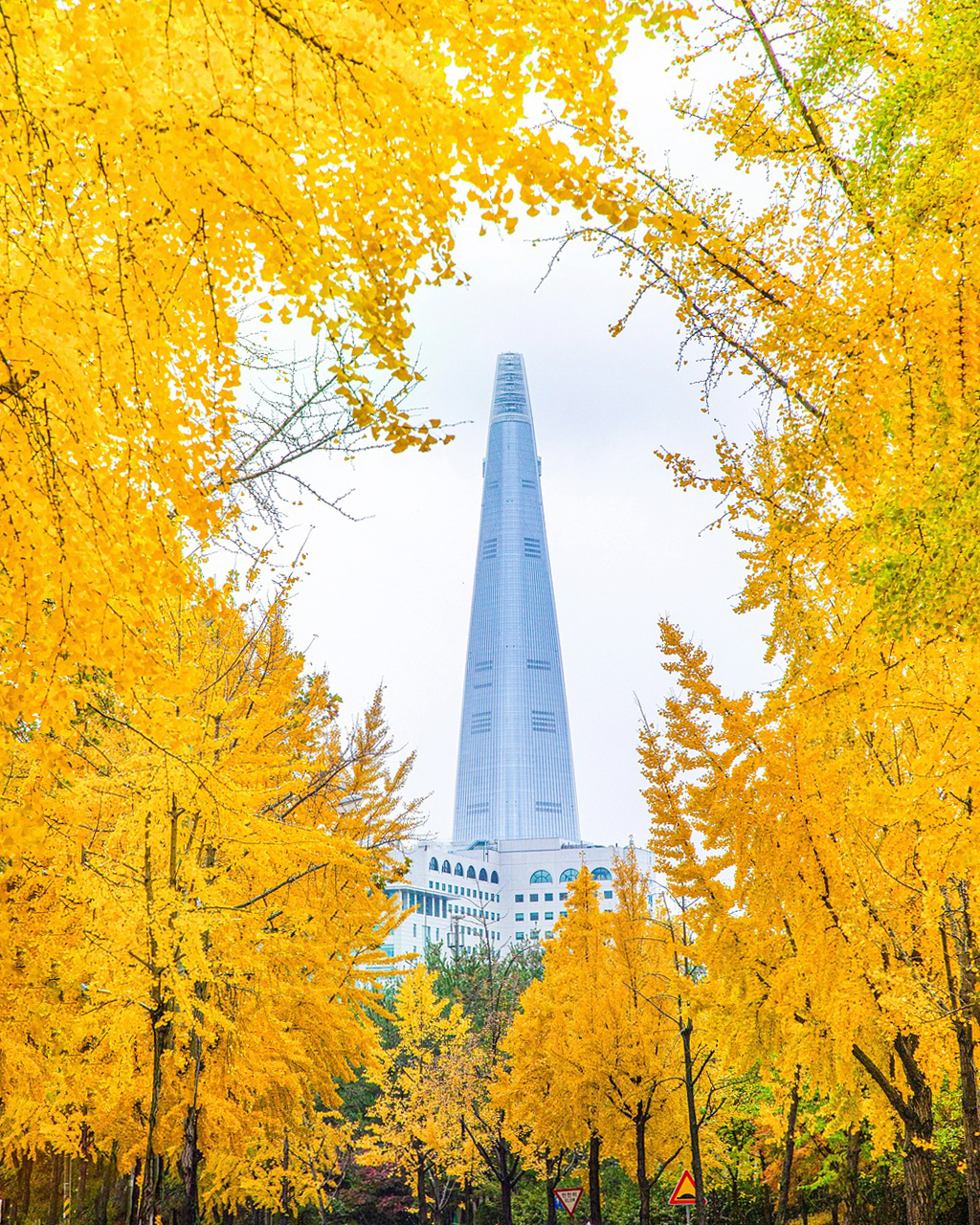
The journey begins and ends in Seoul, Korea's vibrant capital city. Seoul perfectly embodies the theme of "city lights" with its modern skyline, bustling markets, and dynamic nightlife. Yet the city also preserves ancient treasures like Gyeongbokgung Palace, Bukchon Hanok Village, and traditional markets.
The contrast between Seoul's modern energy and the tranquility of mountain temples creates a unique travel experience. From high-tech districts like Gangnam to traditional neighborhoods like Insadong, Seoul offers endless opportunities to explore Korea's dual identity as both ancient and modern.
Temple Stays: Spiritual Mountain Experiences
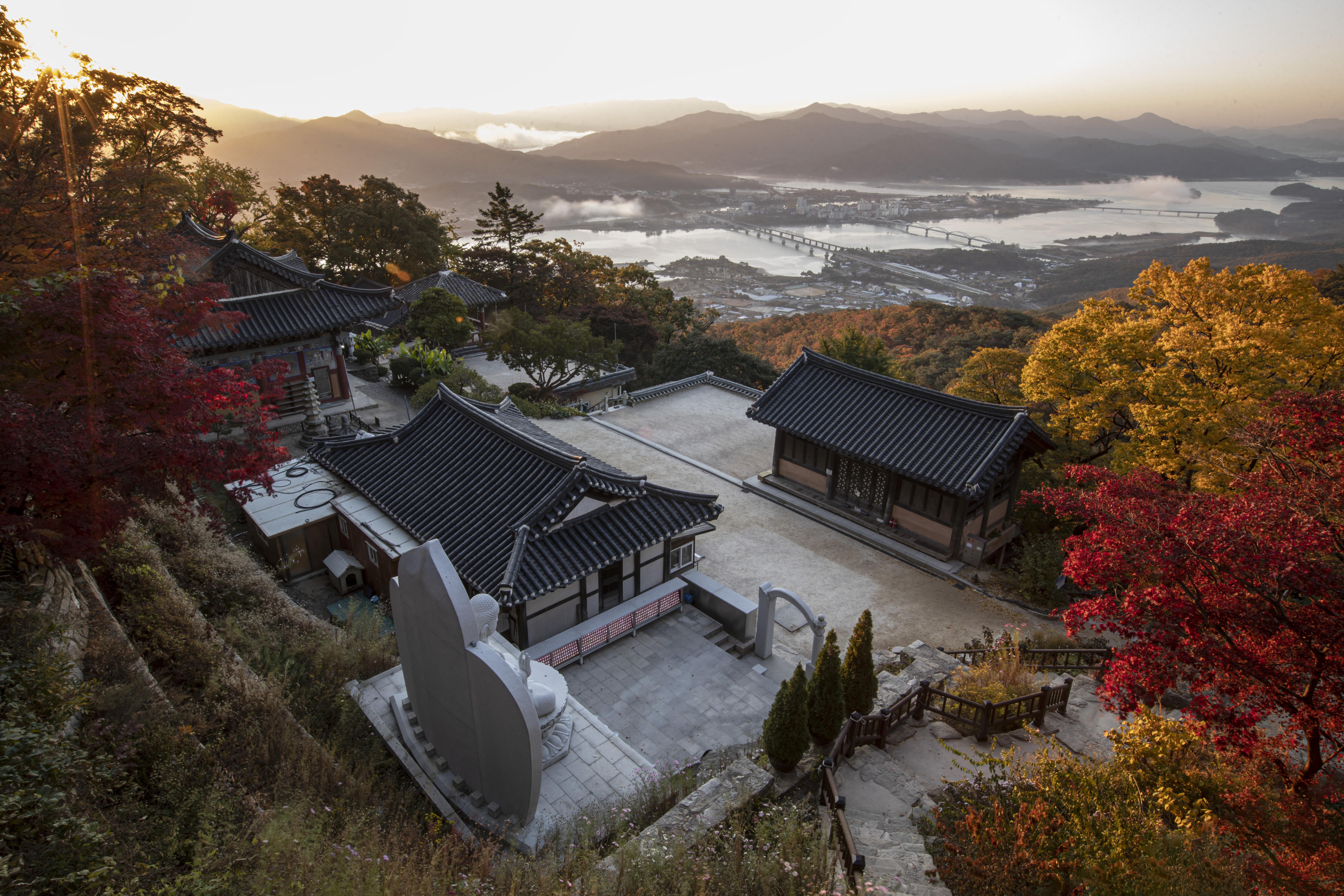
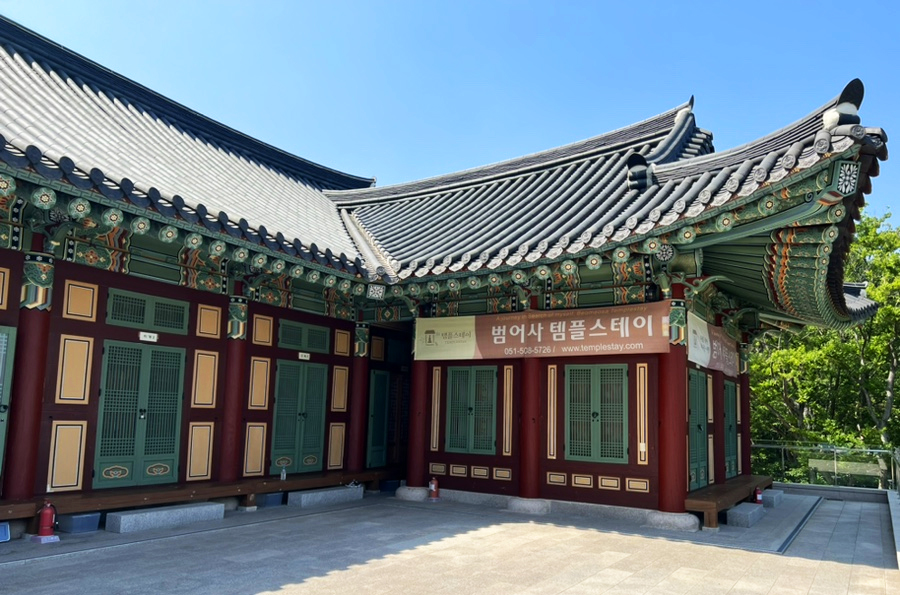
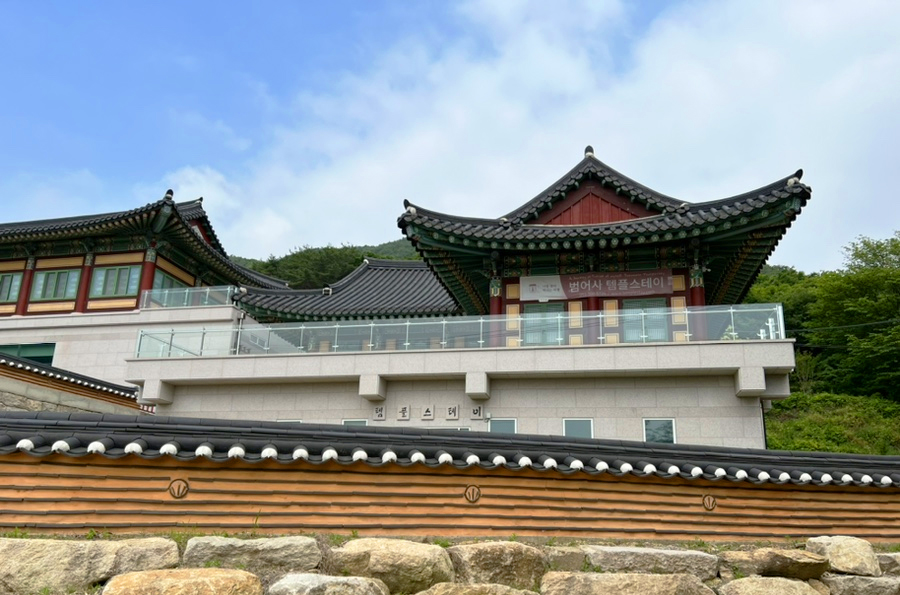
Throughout the journey, temple stays provide moments of reflection and spiritual connection. Each temple offers unique experiences—from Haeinsa's Tripitaka preservation to Seoraksan's Sinheungsa with its dramatic mountain setting. These stays allow participants to experience authentic Buddhist monastic life while connecting with Korea's spiritual heritage.
Temple activities include morning and evening ceremonies, meditation sessions, traditional vegetarian meals, and opportunities to learn about Buddhist philosophy and Korean temple architecture. The peaceful atmosphere of mountain temples provides perfect contrast to the physical challenges of trekking and the energy of city exploration.
The Perfect Balance: Culture, Nature, and Urban Life
This journey is designed to showcase Korea's unique ability to balance ancient traditions with modern innovation, rural tranquility with urban energy, and spiritual reflection with physical adventure. The route connects UNESCO World Heritage sites with dramatic natural landscapes and vibrant city experiences.
Participants experience the full spectrum of Korean culture—from ancient royal tombs and Buddhist temples to modern skyscrapers and K-pop culture. The trekking routes provide physical challenges while the cultural sites offer deep historical and spiritual insights, creating a comprehensive Korean travel experience.