Korea's five iconic peaks represent the pinnacle of Korean mountain culture and natural beauty. From the granite spires of Bukhansan in Seoul to the volcanic crater of Hallasan on Jeju Island, each mountain offers unique challenges and cultural significance.
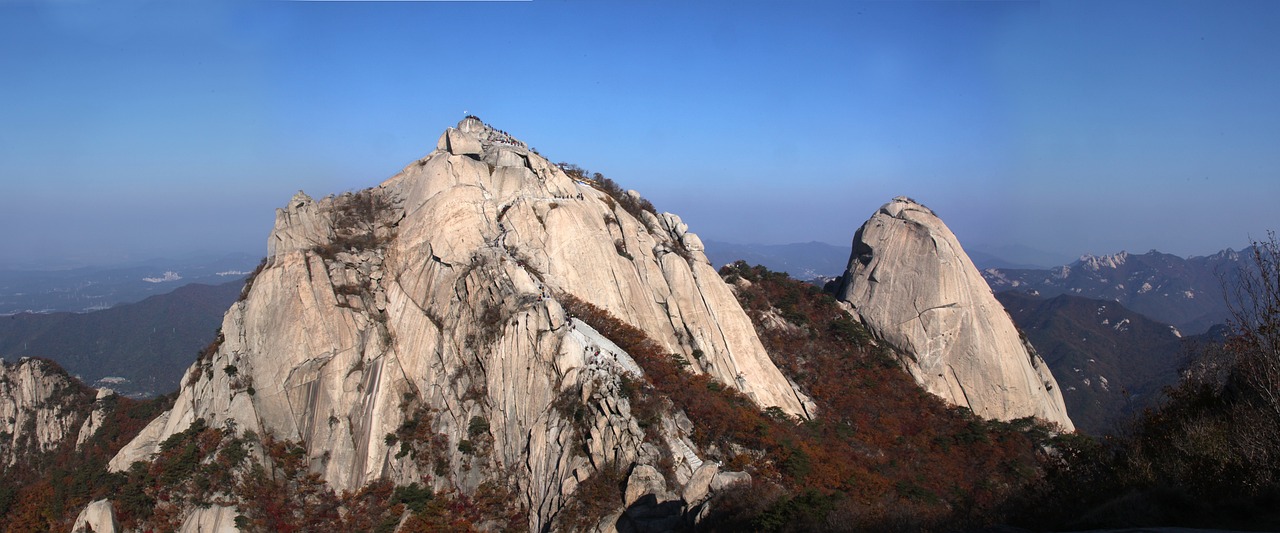
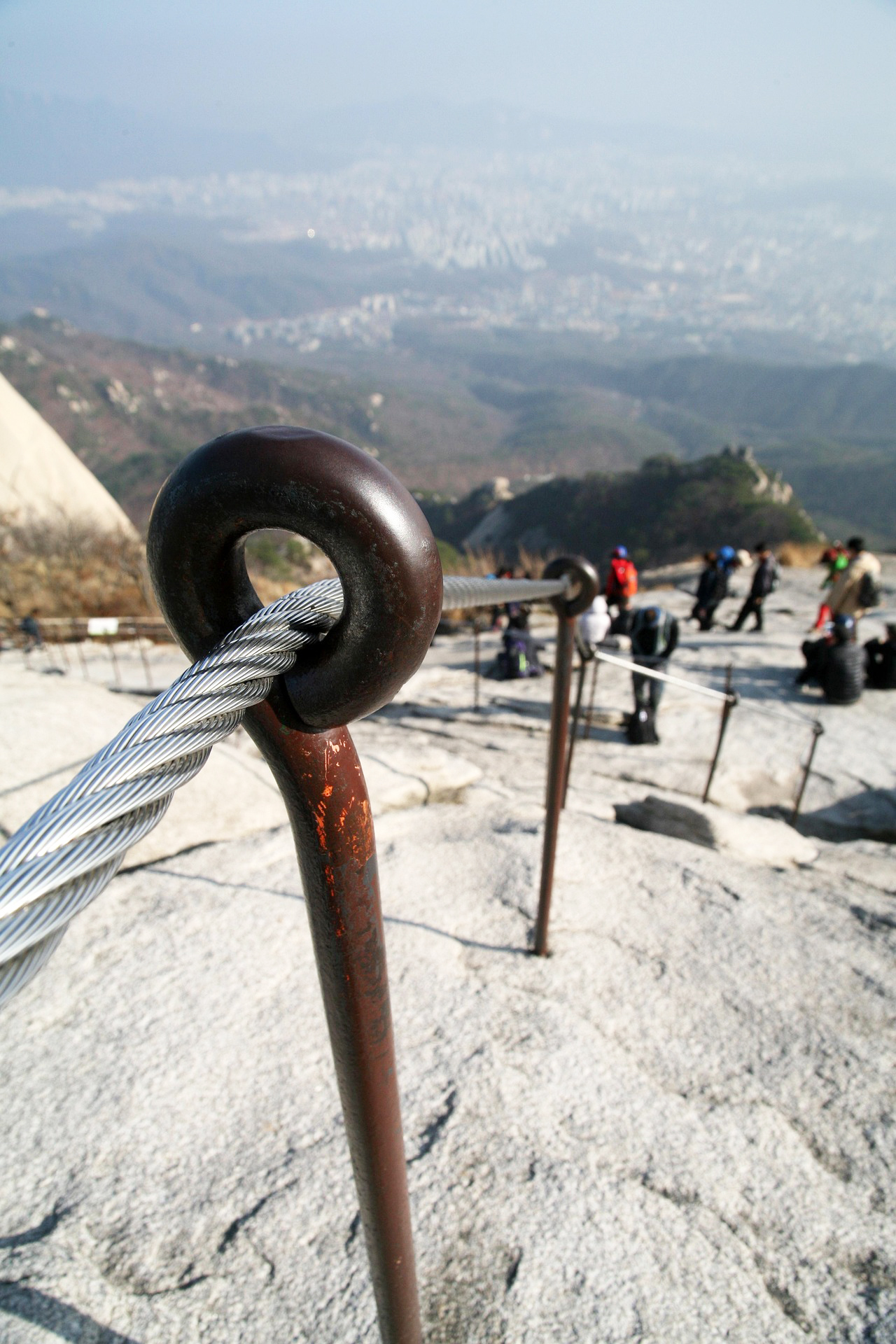
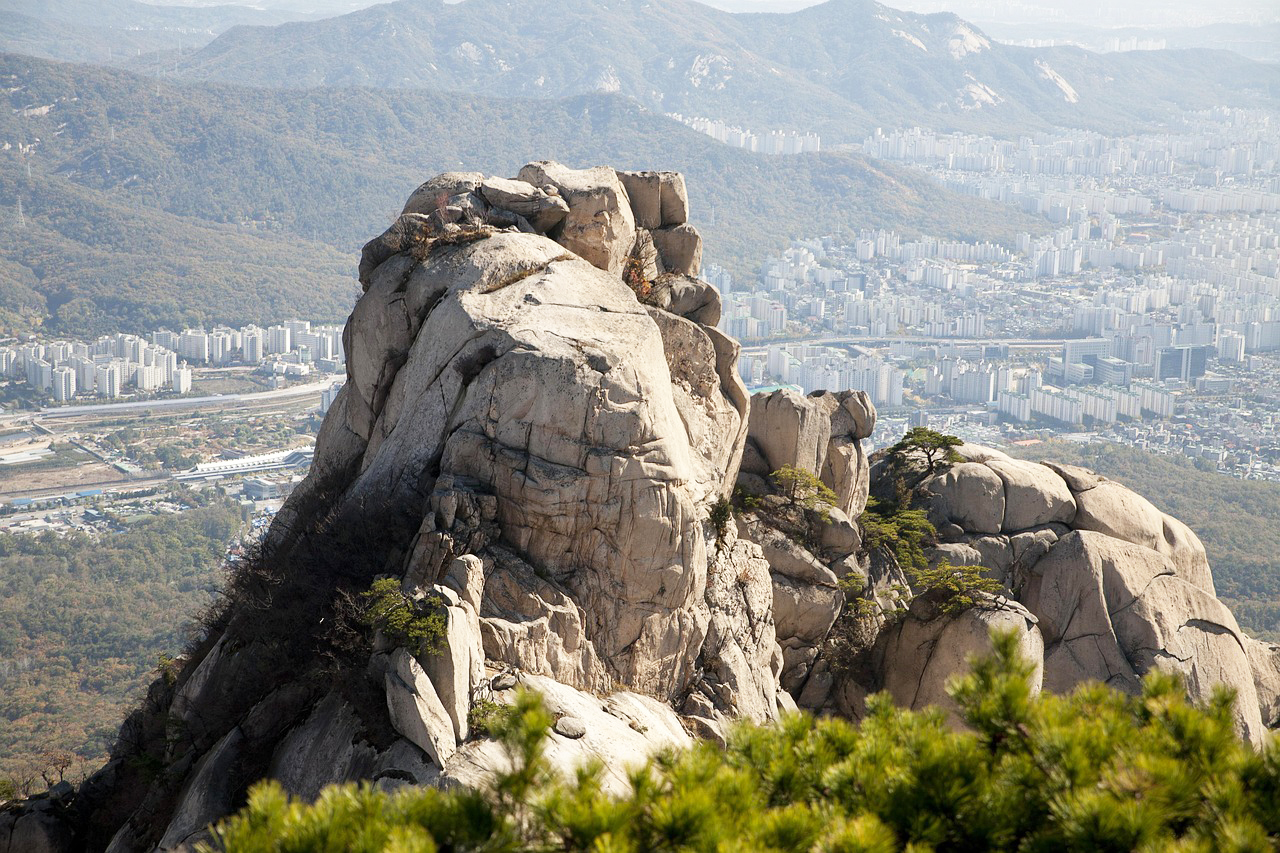
Bukhansan: Seoul's Granite Guardian
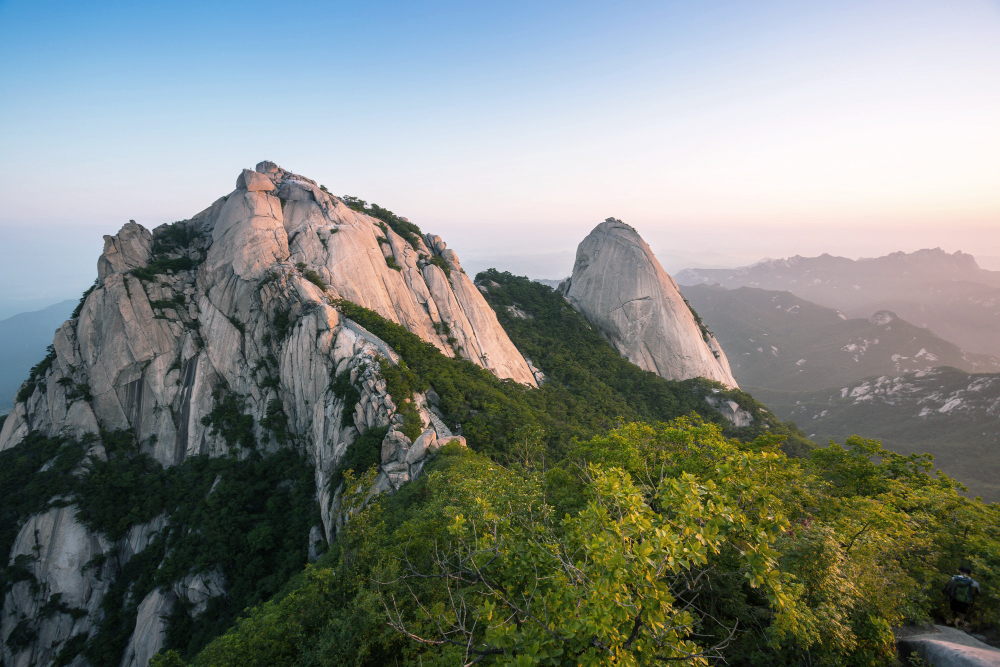
Rising 836 meters above Seoul, Bukhansan National Park offers dramatic granite peaks and ancient fortresses. The mountain is famous for its challenging rock scrambles and panoramic views of the capital city. Hiking Bukhansan provides a perfect introduction to Korean mountain culture, with well-maintained trails and stunning city vistas.
The mountain is home to several historic Buddhist temples, including Guknyeongsa and Doseonsa, where hikers can experience traditional temple architecture and peaceful mountain spirituality. Bukhansan's proximity to Seoul makes it one of the most accessible and popular mountains in Korea.
Jirisan: Korea's First National Park
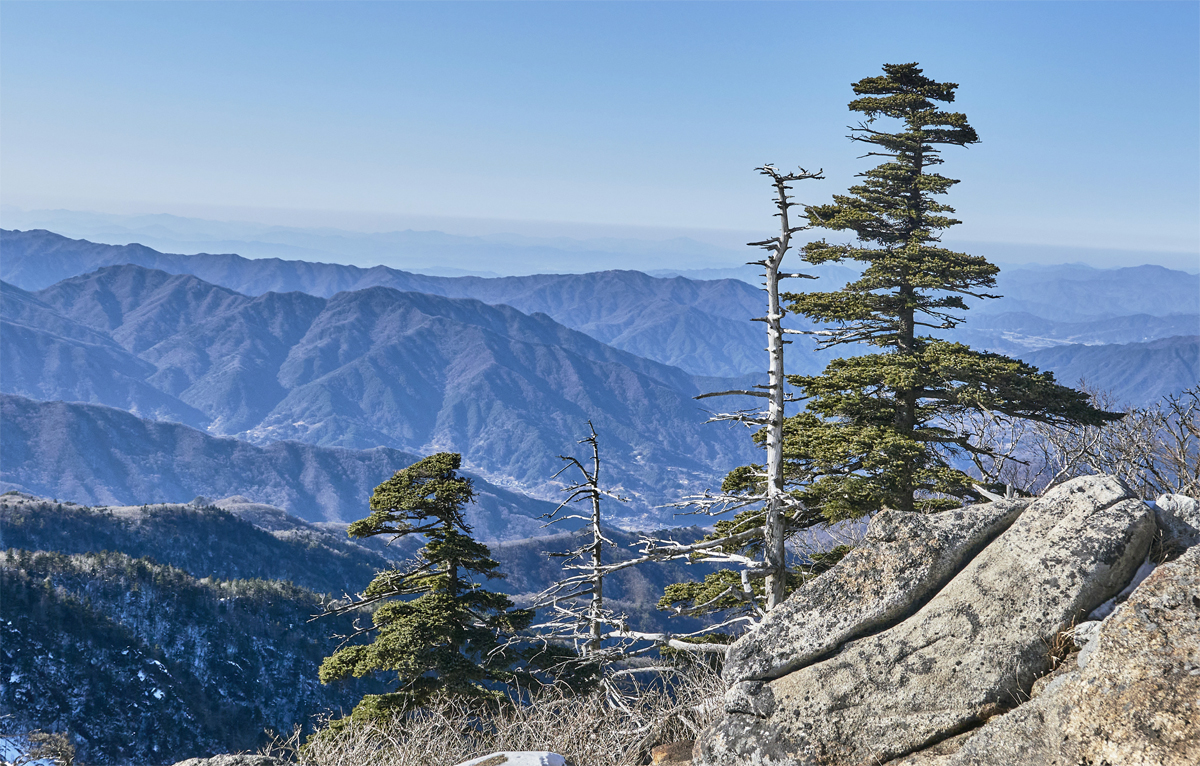
At 1,915 meters, Jirisan is mainland Korea's highest peak and the country's first national park. This massive mountain range spans three provinces and offers some of Korea's most challenging and rewarding hiking. The Jirisan Ridge Trail is considered one of Asia's great long-distance treks, taking 3-4 days to complete.
Jirisan is home to Haeinsa Temple, a UNESCO World Heritage site housing the Tripitaka Koreana—80,000 wooden printing blocks containing the entire Buddhist canon. Temple stays at Haeinsa offer deep immersion into Korean Buddhist culture, with meditation sessions and traditional ceremonies.
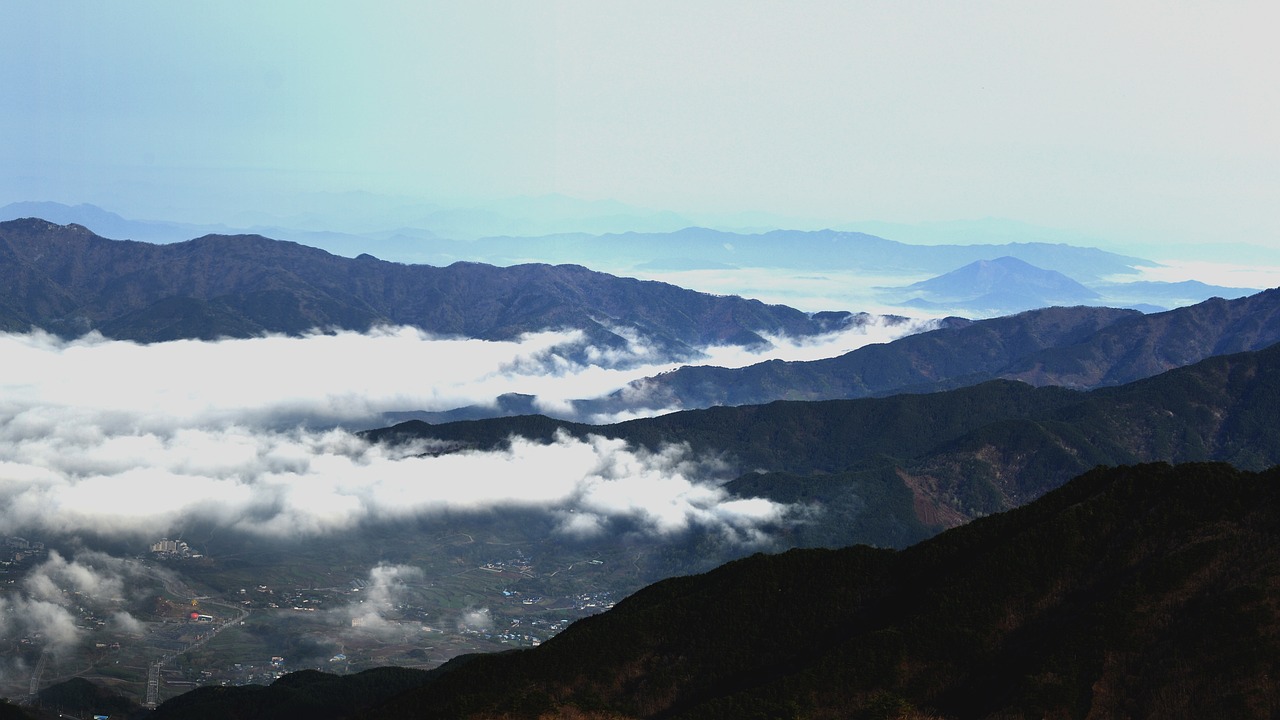
Hallasan: Jeju's Volcanic Peak
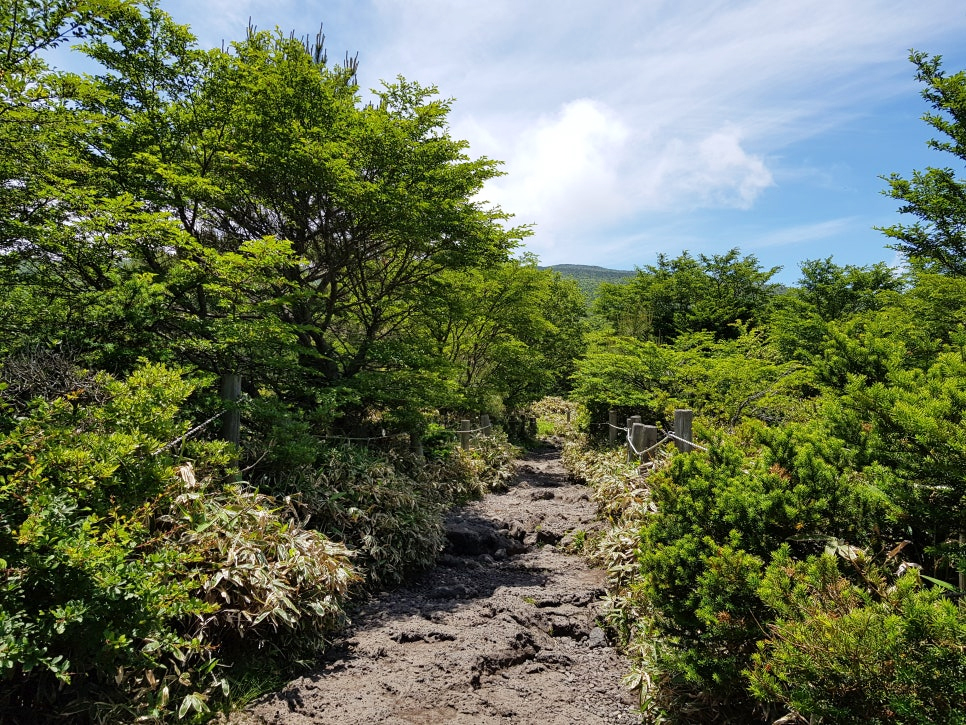
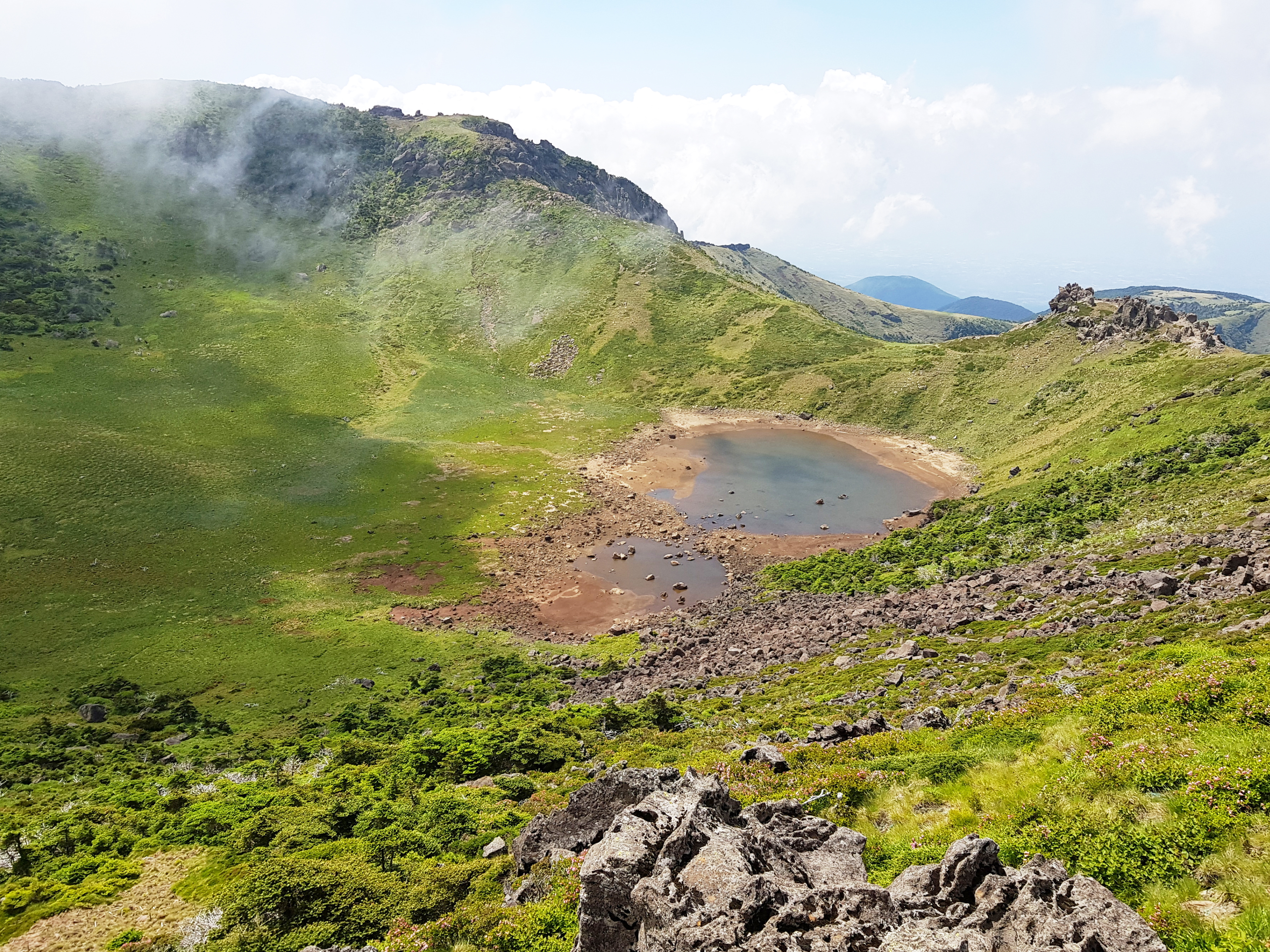
Hallasan, at 1,947 meters, is South Korea's highest peak and a dormant volcano that forms the heart of Jeju Island. The mountain offers several trails to the summit, each providing different perspectives of the island's unique volcanic landscape. The crater lake at the summit, Baengnokdam, is a stunning natural wonder.
Hiking Hallasan reveals Jeju's unique ecosystem, with distinct vegetation zones from subtropical forests at the base to alpine tundra near the summit. The mountain is sacred to Jeju's shamanic traditions and offers a completely different mountain experience from mainland Korea.
Namsan Gyeongju: Historical Summit
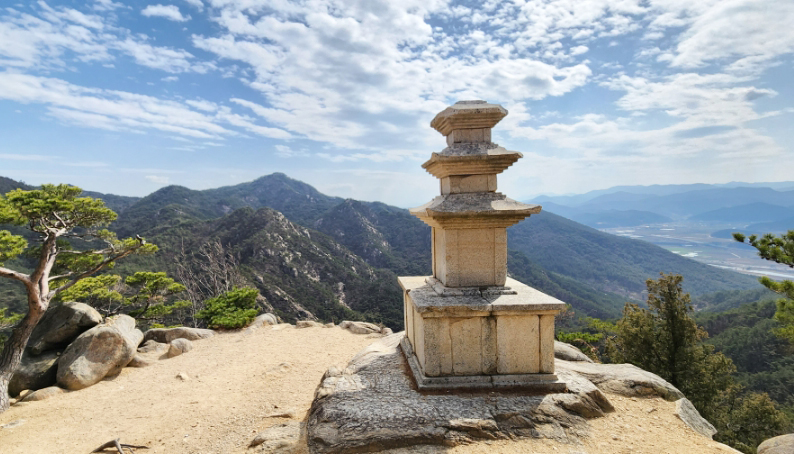
While only 468 meters high, Namsan in Gyeongju holds immense historical significance as the sacred mountain of the ancient Silla Kingdom. The mountain is dotted with hundreds of Buddhist statues, pagodas, and temple ruins dating back over 1,000 years. Hiking Namsan is like walking through an open-air museum of Korean Buddhist art.
The mountain's cultural treasures include the famous Seokguram Grotto (UNESCO World Heritage) and numerous stone Buddha statues carved into the mountainside. Temple stays at nearby Bulguksa Temple provide insight into the golden age of Korean Buddhism during the Silla Dynasty.
Seoraksan: The Most Dramatic Peaks
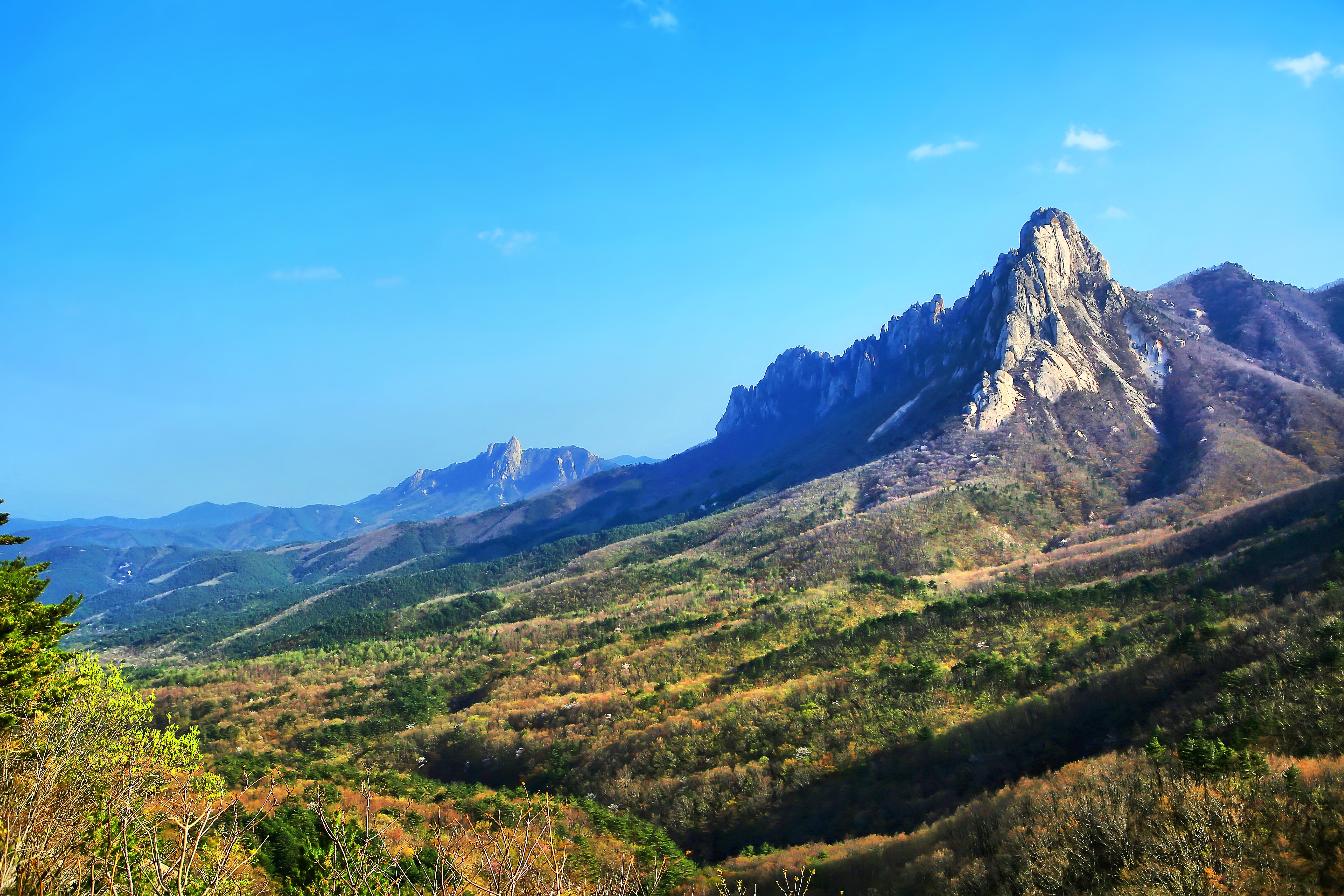
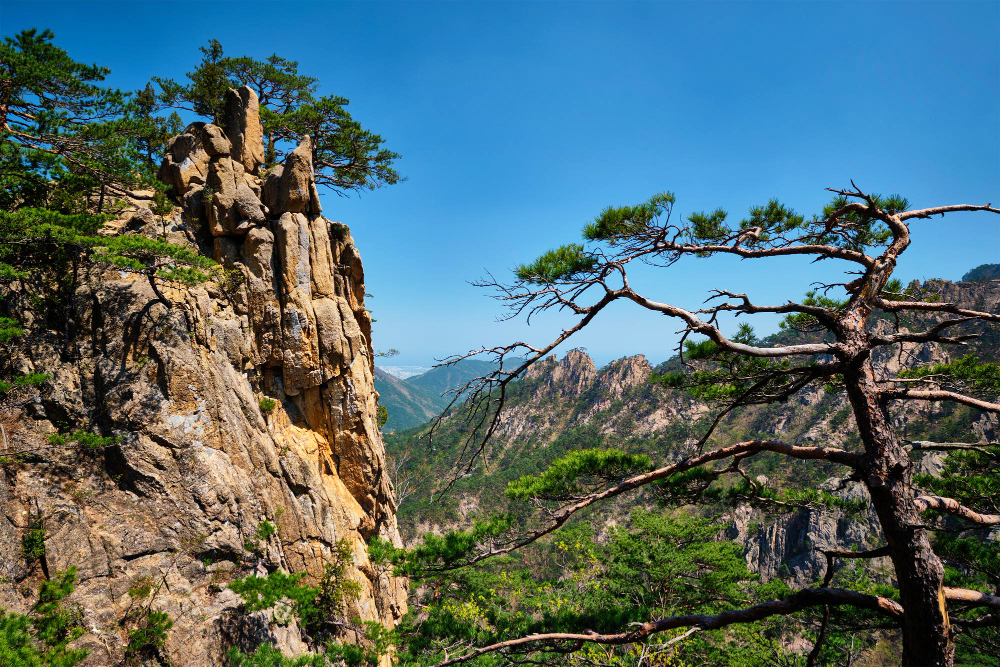
Seoraksan National Park features Korea's most dramatic mountain scenery, with jagged granite peaks, deep valleys, and spectacular waterfalls. At 1,708 meters, Daecheongbong is the park's highest peak, offering challenging climbs and breathtaking views. The park is particularly stunning in autumn when the mountains are ablaze with fall colors.
Seoraksan is home to Sinheungsa Temple, one of Korea's most beautiful mountain temples, and offers excellent temple stay programs. The combination of dramatic natural scenery and rich Buddhist culture makes Seoraksan a highlight of any Korean mountain adventure.
Temple Stays: Cultural Immersion
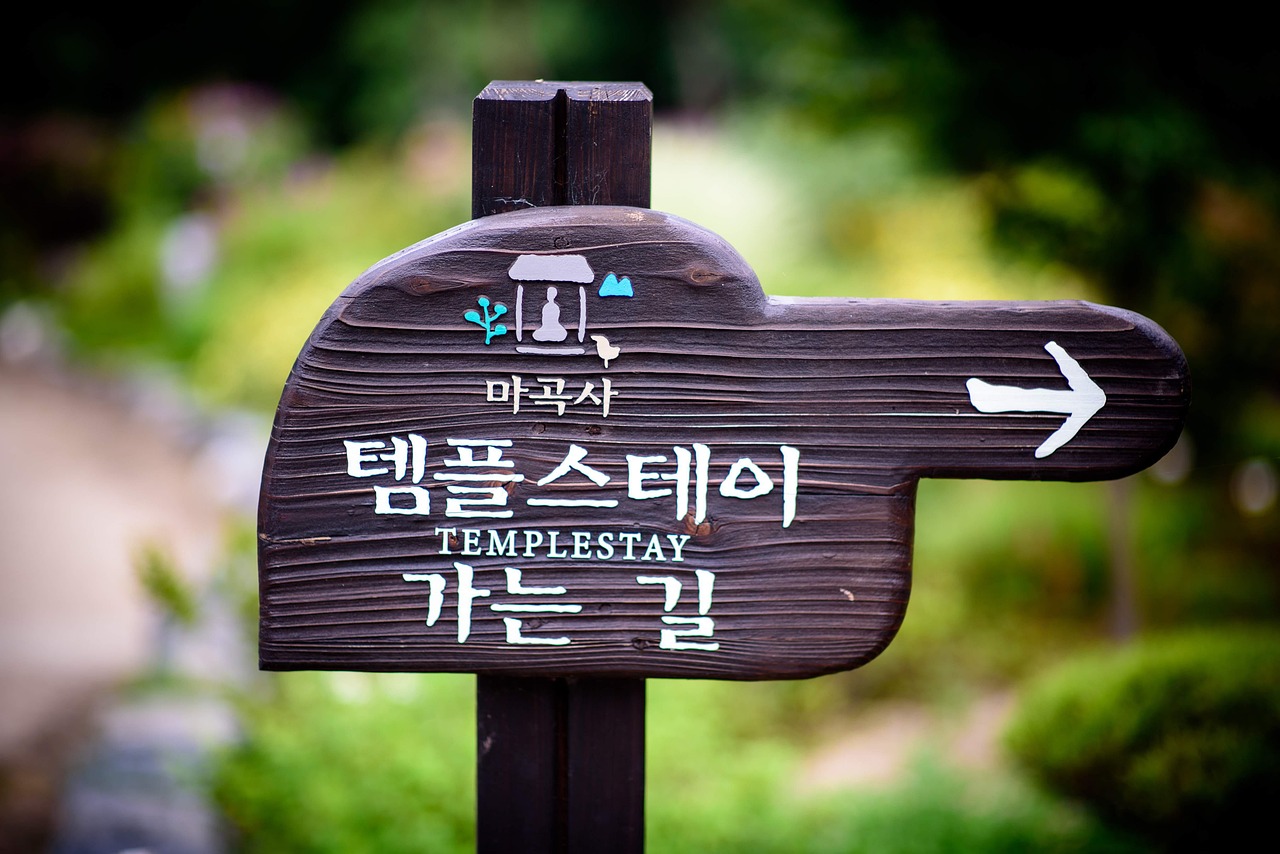
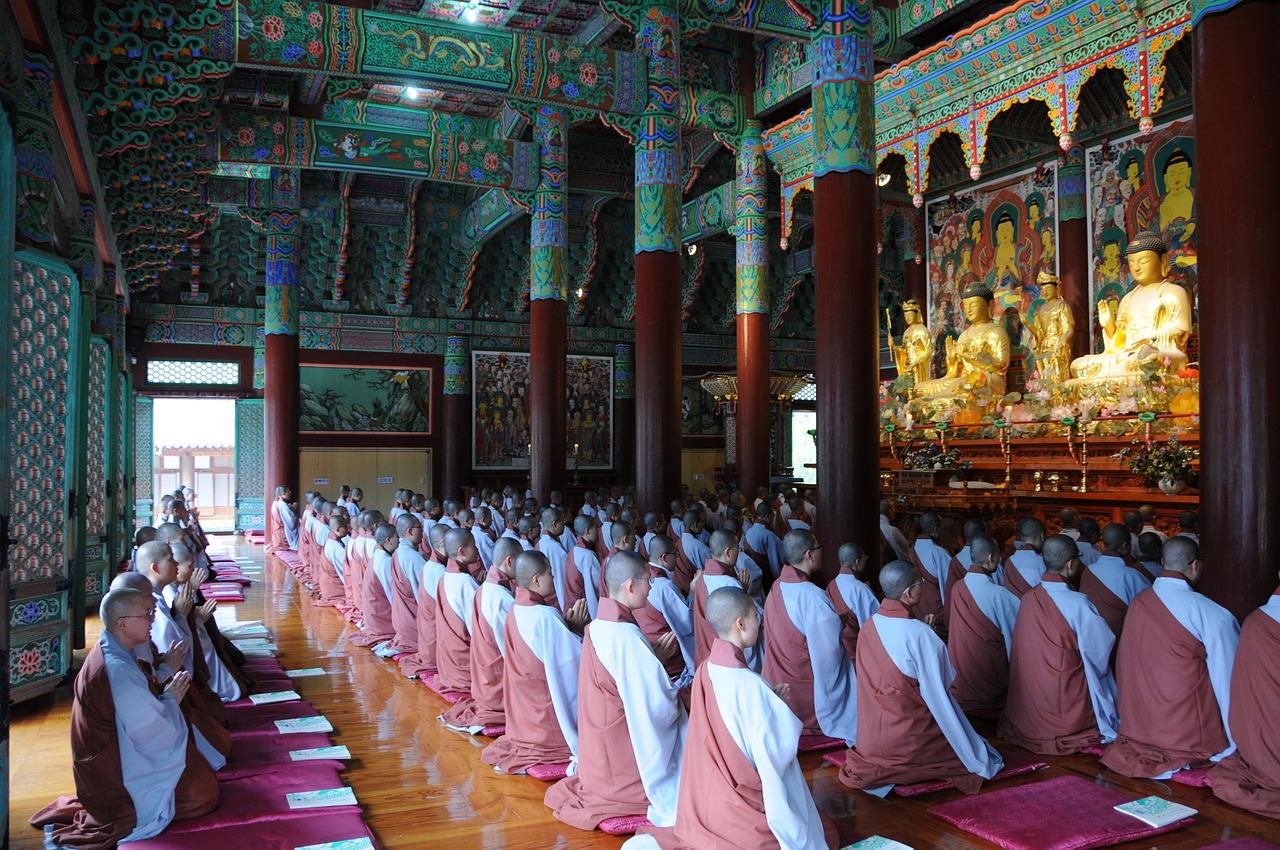
Temple stays are an integral part of the Five Peaks Grand Traverse experience. Participants stay at historic mountain temples, joining monks for morning and evening ceremonies, practicing meditation, and enjoying traditional vegetarian meals. These experiences provide deep insight into Korean Buddhist culture and offer moments of reflection between challenging mountain hikes.
Each temple stay is unique, with different temples offering various programs including tea ceremonies, calligraphy, and temple architecture tours. The peaceful atmosphere of mountain temples provides perfect contrast to the physical challenges of summit hikes.
Mountain Culture in Korea
Mountains hold a special place in Korean culture, representing spiritual connection, physical challenge, and natural beauty. Korean mountain culture combines Buddhist spirituality, shamanic traditions, and modern hiking enthusiasm. The Five Peaks Grand Traverse allows participants to experience this rich cultural heritage while conquering Korea's most iconic peaks.
Each mountain in the traverse offers unique cultural experiences, from ancient Buddhist temples to traditional mountain villages. The journey connects participants with Korea's deep spiritual traditions while providing world-class hiking adventures.